
How Arrest Warrants Work in Alger County
An arrest warrant orders an officer to take a named person into custody and bring that person before a judicial officer. Michigan law sets the standard. A magistrate may issue one only after a proper complaint and a finding of reasonable cause, and the complaint must be sworn, resting on factual allegations, testimony, or affidavits. The document itself stays short. Under the Michigan court rules it identifies the accused, describes the offense, and commands an officer to produce the accused before a judicial officer. Bond and the next court date come later. In Alger County, the practical takeaway is simple: the warrant record belongs to the issuing court, not to the sheriff who serves it. A charge is an accusation a court has found serious enough to support custody. It establishes nothing beyond that.
Reasonable Cause Behind an Alger County Warrant
Nobody sees the complaint itself, but it drives everything. Someone, usually an officer or a prosecutor, writes down the facts and swears to them. A judge or magistrate then weighs whether those facts add up to reasonable cause. That decision is what turns a police report into court process in Alger County. It also explains why a sheriff's deputy cannot create a warrant. Law enforcement can request one and execute one. Issuance belongs to a judicial officer alone. The warrant provisions sit in Michigan's criminal procedure act, Act 175 of 1927, and the state publishes the full text at the Michigan Compiled Laws criminal procedure act.
Note: A warrant can issue in a felony case that later moves from district court to circuit court, so one matter can have two court contacts.
Arrest Warrants: What They Contain
Michigan's bench warrant form shows the field pattern, and an arrest warrant carries the same core identifiers. Read the first three fields before anything else. They decide which Alger County office you call.
| Case or Warrant Number | The docket key, illustrated as 20XX-XXXXXX, and the fastest way to reach the right file. |
|---|---|
| Issuing Court | The judicial district, circuit, or probate court that signed the process. |
| Charge and Citation | The offense described in the complaint, plus the statutory reference. |
| Warrant Command | The instruction to arrest and bring the person before a judicial officer. |
| Bond Amount | A release condition set by the judge, not a fee paid to clear the warrant. |
Why No Alger County Warrant Roster Exists
Michigan keeps its wanted-person data inside restricted systems. The Law Enforcement Information Network serves criminal justice agencies and other authorized users, and its access rules open no public door. The state's public criminal history service takes the opposite approach and states plainly that warrant information is unavailable. That leaves the county courts as the practical route for an Alger County warrant check. The sheriff's page publishes services, jail information, and a line that answers around the clock, but no arrest warrant list. The criminal history limit appears at Michigan State Police criminal history checks.
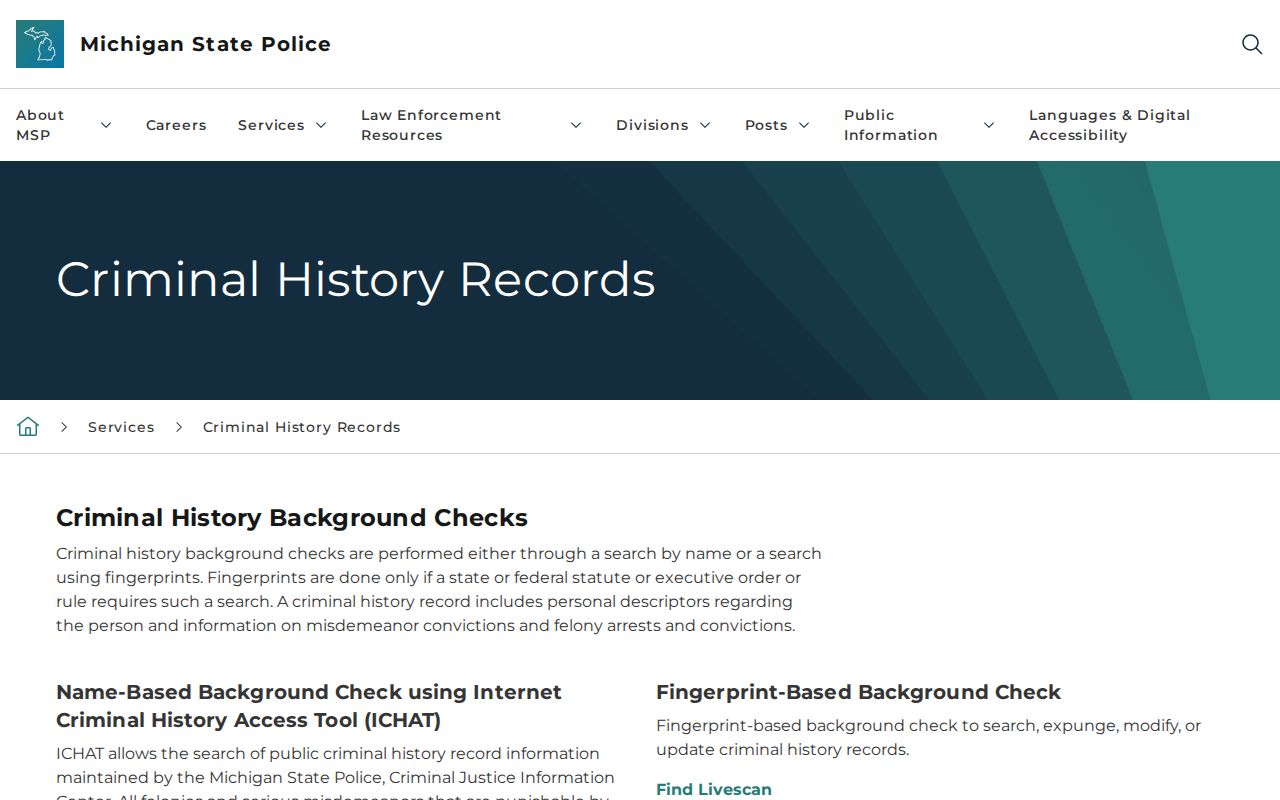
That page closes the door on the tool people reach for first. The network restriction is published separately in the state's LEIN access rules, which govern the systems Alger County agencies use.
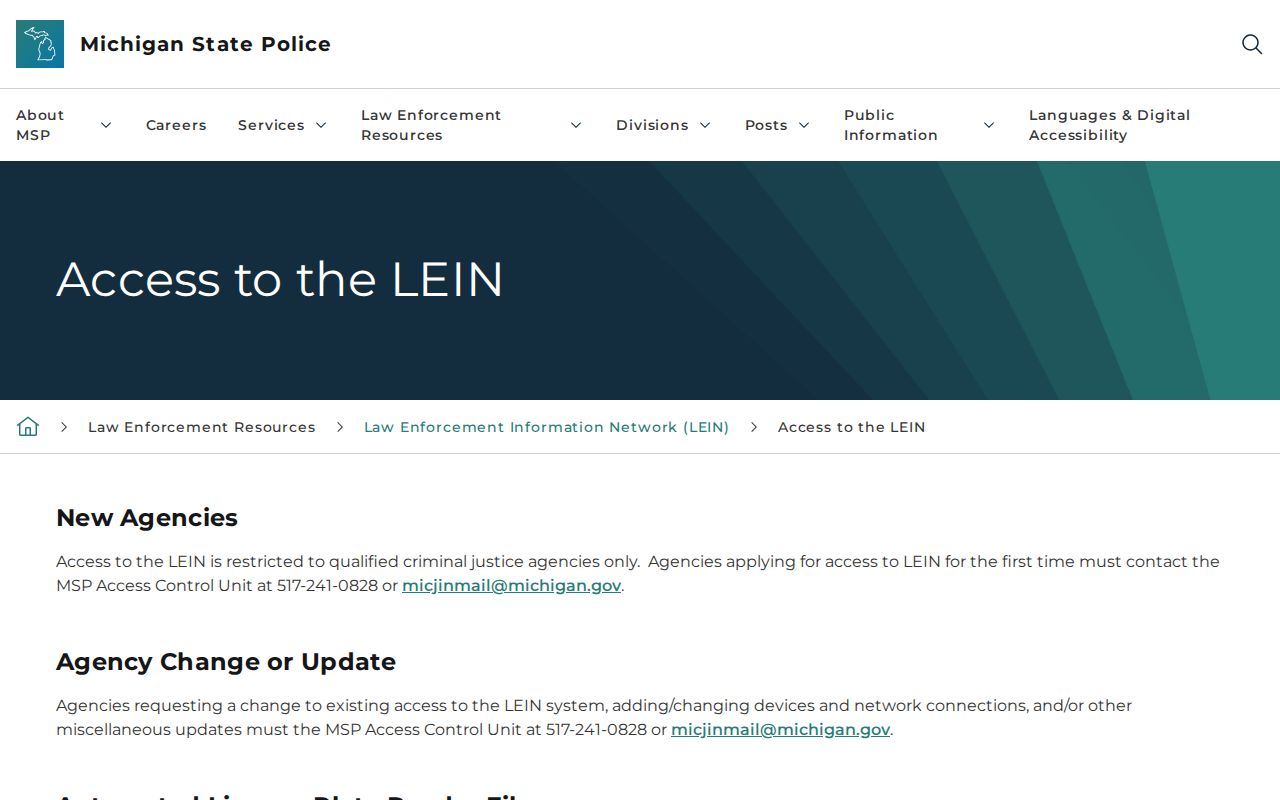
Read those two pages together, and the missing public Alger County warrant roster stops looking like an oversight.
How Warrants Get Served in Alger County
Service means carrying the warrant out. Michigan law allows an arrest under a warrant on any day and at any time, subject to the law and the terms of the process itself. No quiet-hours rule makes a warrant safe to ignore after dark. The Alger County Sheriff handles custody and service for county matters, and the jail holds people after arrest. Municipal police officers serve city charges. A felony case may involve more than one agency over its life. What the public can do with that information is limited, and that is deliberate. Nothing here is a schedule or a prediction. It only describes who executes court process in this county.
When the Officer Has No Paper Warrant
An officer need not be holding the document to make a lawful arrest on it. Michigan law says the warrant need not be in the officer's possession, though the officer should tell the person that a warrant exists and show it on request as soon as practical. The rule answers a common question without offering a workaround. It is no basis for resisting, arguing, or demanding paperwork at the scene. Questions about the warrant belong with an attorney and the issuing court afterward.
Note: Michigan court rules require a person arrested to be brought before a judicial officer without unnecessary delay, and video appearances are allowed where permitted.
Arrest Warrants, Summonses, and Bench Warrants
Three documents can bring a person into a Michigan courtroom. They are not interchangeable, and an Alger County reader who mixes them up calls the wrong office.
| Process | What It Means | First Move |
|---|---|---|
| Arrest warrant | A judge found reasonable cause and authorized custody | Get counsel, then follow the court's instruction |
| Summons | The court expects appearance without an arrest command | Attend the date on the paper |
| Bench warrant | A judge issued process after a missed obligation | Contact the court that set the hearing |
Arraignment After an Alger County Warrant Arrest
Arraignment is the first appearance after custody, where the charge is read and release conditions are set. The Michigan court rules require it without unnecessary delay. District court judges in Alger County also handle felony first appearances and preliminary examinations, which is why a felony can start in Munising and finish elsewhere. Bond at the 93rd District Court may be posted in cash or by credit card, and the county says checks are not accepted. A judge can also release a person on a personal recognizance bond or set other conditions under the state's release rules. Bring the case number and identification. Let an attorney argue about conditions. Court staff provide procedure, not strategy advice.
Handling an Arrest Warrant in Your Name
Finding an arrest warrant in your own name changes the calculus entirely. This is not a records-counter question. A warrant in your name is a live legal problem, so call a Michigan attorney before you do anything else. Once you have advice, go to the issuing court in Alger County and ask what it requires of you. The clerk can tell you whether a voluntary appearance works or whether a motion is the better route for the charge you face. Do not send a family member to test the warrant. Do not approach some other agency hoping to learn what it knows. Ask the court directly, put your questions in writing where possible, and keep a copy of every instruction you get back.
Important: Speak with counsel before turning yourself in. The handling steps for an Alger County warrant start with the issuing court and a lawyer.
Alger County Search Warrants Are Different
A search warrant is a different animal from an Alger County arrest warrant, and it never shows up on a public roster. Michigan's constitution demands a description of the place, person, thing, or electronic data to be searched, backed by oath and probable cause. The statute piles on its own form and description requirements. Search warrants also show why court records need care in Alger County. Michigan court records are open unless a statute, rule, or order closes them, and courts sit outside the county's open-records process. Sealed and juvenile material stays hidden even when the rest of a docket is public. The access boundary is set out in Michigan Court Rule 8.119. The search-warrant requirement itself appears at MCL 780.654.
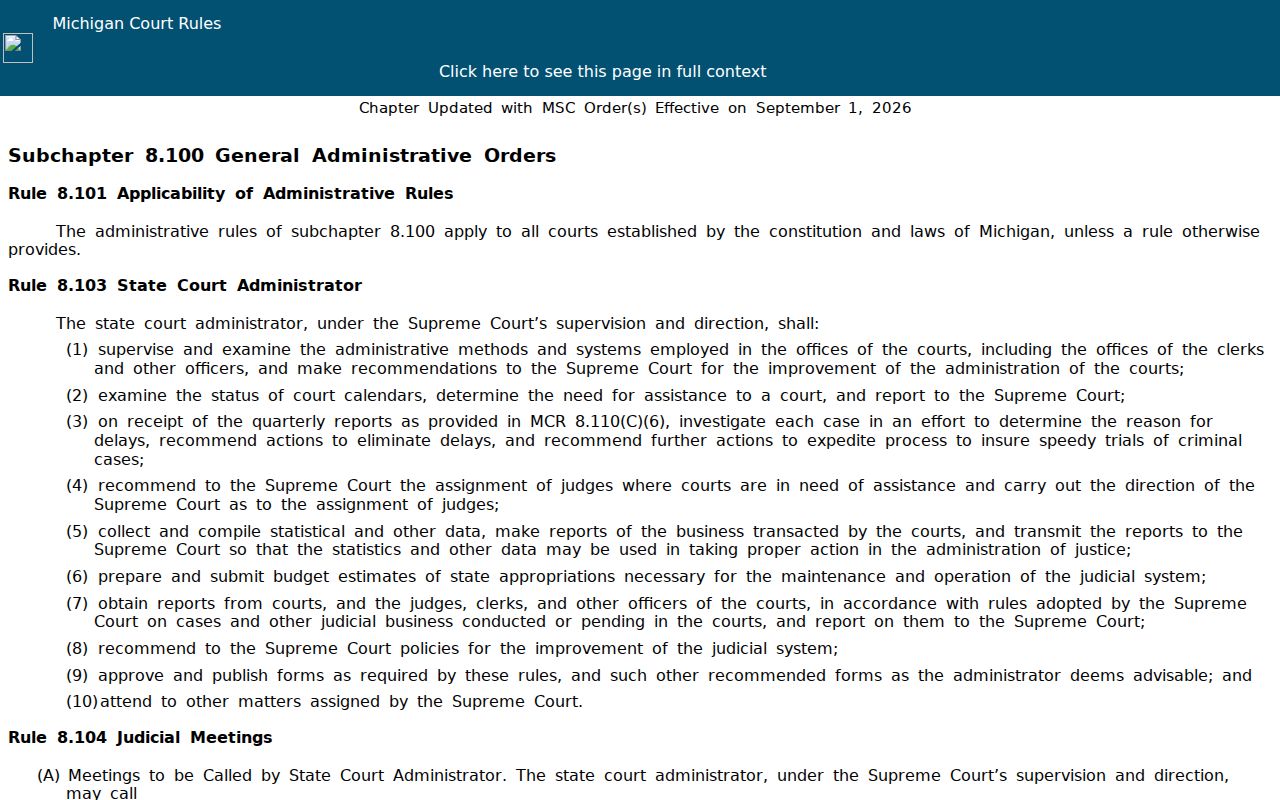
That rule decides what a clerk can release and what stays closed.
Note: Under MCL 712A.28 juvenile records are confidential, so no juvenile warrant information appears in a public search.